
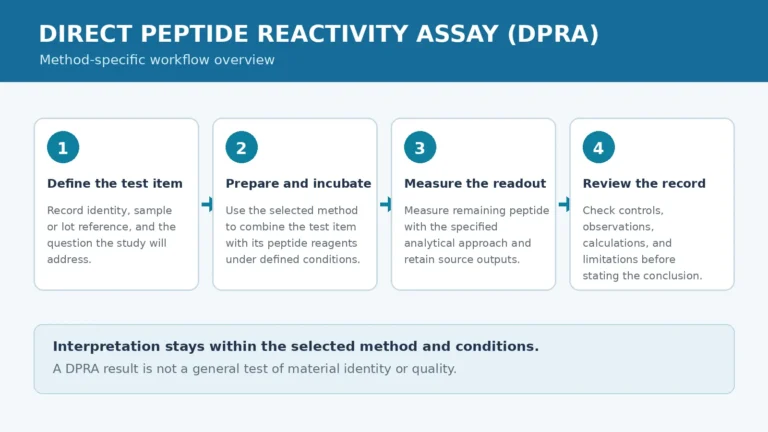
Direct Peptide Reactivity Assay and Laboratory Context
Learn what the direct peptide reactivity assay measures, how to review its data, and why a reactivity result is not a general test of material quality.
Learn what the direct peptide reactivity assay measures, how to review its data, and why a reactivity result is not a general test of material quality.
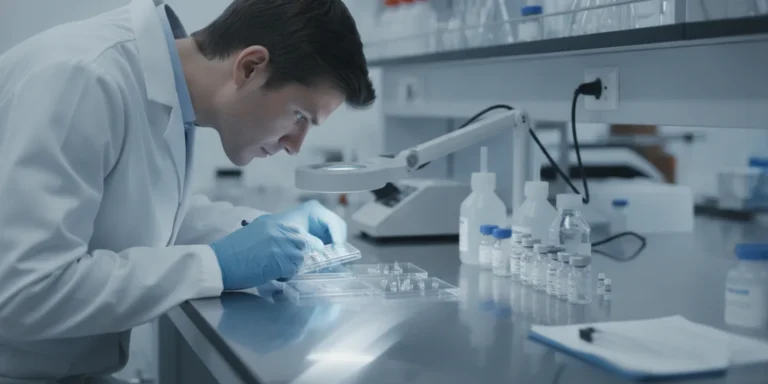
Plan peptide crystallization screening with controlled variables, consistent observations, and traceable records while keeping conclusions within the evidence.

Learn how to choose an alignment approach, prepare peptide sequences, review gaps and substitutions, and document comparisons for laboratory research.
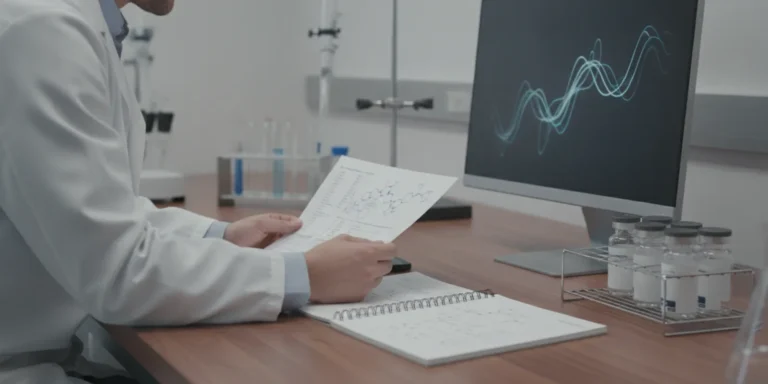
Learn how a peptide molecular weight calculator handles sequence, modifications, and mass conventions, with a practical workflow for checking results.
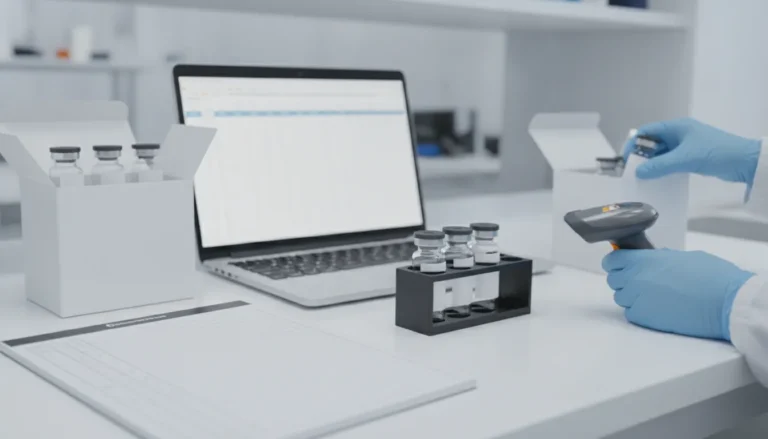
Laboratory sample tracking keeps each container’s identity, location, custody, and status clear. Learn the record, then review research materials.

Learn what research reagents are, how labs group them, and how Core Pepti research materials fit a U.S. laboratory workflow.
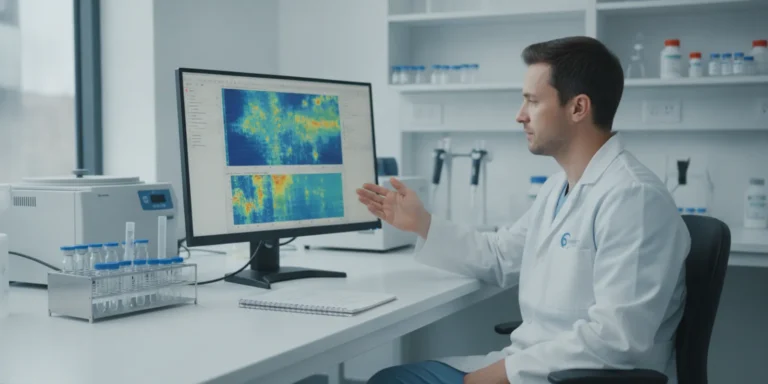
Learn what an MHC peptide binding assay measures, how assay formats differ, and what researchers should document when comparing peptide–MHC candidates.
Compare cheapest research peptides by matched identity, format, and strength. See Core Pepti listing prices, unit cost, and the $200 shipping line.
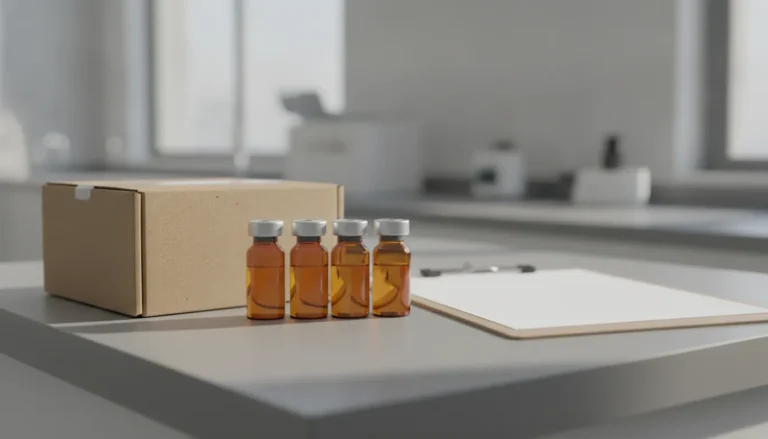
Research material receiving inspection helps U.S. labs match an inbound package to the order, label, lot, and format before the material is used.
Learn how laboratory teams can assess Tesofensine research capsules by identity, format, documentation, and research scope without overreading a listing.